Khas khas: The Versatile Poppy Seeds
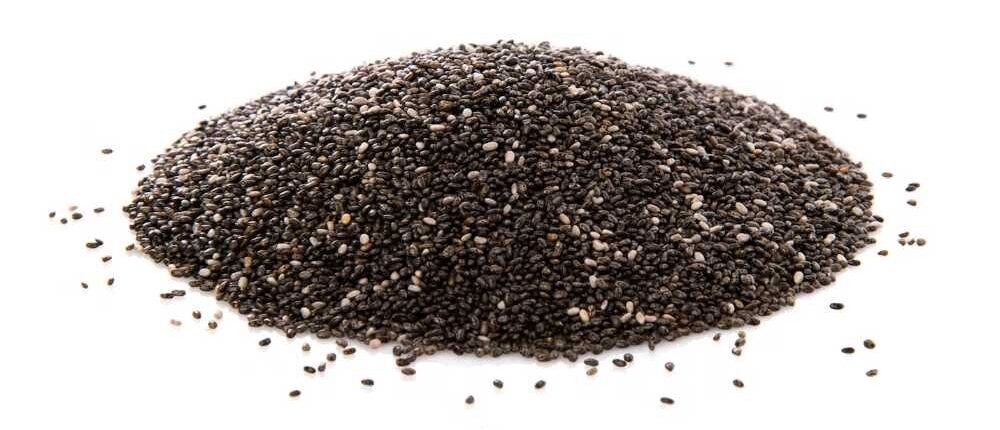
Khas khas is the Hindi name for poppy seeds, which are obtained from the poppy plants. These tiny seeds have a nutty and crunchy texture and flavor, and they are used in various cuisines, especially in India.
History of Khas khas (खसखस)
Khas khas, obtained from the opium poppy (Papaver somniferum), has a rich history spanning many civilizations and regions. Believed to have originated in the Mediterranean and Middle Eastern regions, it was used for medicinal, culinary, and religious purposes. The ancient Egyptians, Greeks, and Romans valued khas khas as a food and sedative and used it to make oil, cake, and wine. It was also mentioned in the Ebers Papyrus, an ancient Egyptian medical text written around 1550 BC. The Minoans of Crete cultivated poppies for their seed and used a mixture of milk, opium, and honey to calm crying babies. The Sumerians of Mesopotamia grew poppy seeds and called them “hul gil” or “joy plant”. Khas khas spread globally through trade and migration and became a staple ingredient in many cuisines, especially in Central Europe and South Asia.
Khas khas is also known as:
- Tamil: கசகசா (kasa kasa)
- Kannada: ಗಸಗಸೆ (gasagase)
- Assamese: আফু গুটি (afu guti)
- Bengali: পোস্তো (posto)
- Telugu: గసగసాలు (gasagasalu)
- Gujarati: ખસખસ (khas khas)
- Marathi: खसखस (khas khas)
- Punjabi: ਖਸਖਸ (khas khas)
Benefits of Khas Khas
Khas khas has many health benefits, such as:
- Improving digestion and relieving constipation
- Relieving pain and inflammation
- Enhancing skin and hair health
- Providing nutrients like calcium, iron, protein, and fiber
- Inducing sleep and relaxation
- Regulating blood sugar levels
However, khas khas should be consumed in moderation and under medical supervision, as it may have some side effects like addiction, allergic reactions, or drug interactions.
How to Use Khas khas
Khas khas can be used in various ways for cooking and beauty purposes. Here are some examples:
For Cooking
- Khas khas seeds can be roasted, ground, or soaked before using them for cooking to enhance their flavor and aroma. They can also be combined with other spices or herbs for different cuisines.
- Khas khas seeds can be used to make a thick and creamy paste or sauce for curries, gravies, soups, stews etc. They can also be used to make a sweet and aromatic kheer or pudding with milk, sugar, and dry fruits.
- Khas khas seeds can add a nutty and crunchy texture and flavor to breads, cakes, rolls, biscuits, puddings, sweets, cookies etc.
- Khas khas oil or poppy seed oil can be used as a salad dressing or a seasoning for some dishes. However, it is not suitable for high-heat cooking, as it may lose its flavor and nutrients.
For Beauty
- Khas khas oil can be used for skin health in various ways. It has therapeutic and medicinal properties and a soothing impact on the skin. It hydrates, nourishes and repairs the skin, clears acne and boosts overall skin health. This oil is also effective in clearing acne marks and scars. To use khas khas oil for skin, you can take a few drops of the oil on your palm and gently massage it onto your skin every day. You can also mix it with other oils or essential oils for added benefits.
- Khas khas oil has hair health benefits and can help prevent hair fall, promote hair growth, and improve hair texture. It can also help treat dandruff and scalp infections. To use khas khas oil for hair, you can apply it to your scalp and hair before shampooing or add it to your conditioner.
Khas Khas or poppy seeds have a rich history and a wide range of uses in cooking and beauty. These tiny seeds pack a punch of flavour and nutrition and can be used in various ways to enhance the taste and health benefits of dishes. Whether you’re looking to add some crunch to your baked goods or improve your skin and hair health, Khas Khas is a versatile ingredient that’s worth exploring.